Ratolojanahary, M
December 28, 2020
Information:
Quick Glance:
Assignments: SSC 115 Intro Global Affairs |
|||
|---|---|---|---|
Home Page // MOOC // Assignments Page // Notes1 // Notes2 // Notes3 // Paper Page // Links Page // Books // |
|||
| Date: | Assignments: | ||
| Discussion Board | |||
| Week 1 | Wharton NAFTA |
||
| Week 2 | December 16, 2020 |
|
|
| Week 3 | April 27, 2019 | Read the article in the World Economy" posted on Course Documents>Additional Readings. The article discusses the power of TNCs when they are compared or ranked with certain national economies. Many of these TNCs operate in developing countries which Gross Domestic Products (GDPs) were less than the revenues of these TNCs. Do you think that TNCs can contribute to the economic development of these poor countries? Why? Due: 02/03/2019
This Website is the Center for research of multinational corps
United Nations Commission On International Trade Law--(UNCITRAL)
Investor-state dispute settlement (ISDS) or investment court system (ICS) is a system through which investors can sue nation states for alleged discriminatory practices. ISDS is an instrument of public international law and provisions are contained in a number of bilateral investment treaties, in certain international trade treaties
A multinational corporation (MNC) or worldwide enterprise is a corporate organization which owns or controls production of goods or services in at least one country other than its home country. Most of the largest and most influential companies of the modern age are publicly traded multinational corporations, including Forbes Global 2000 companies.
Globalization and World Cities Research Network--- Degrees We now have the USMCA: This trade agreement is now law. It is an updates NAFTA. It came into effect July 1, 2020. Expiration: Upon end of 16-year term (renewable)
New Deal: It is 90 percent NAFTA. Car parts will have to be made more in North America 75 percent. There are also changes with drugs and dairy.
It removes tariffs but so did NAFTA. |
|
| Week 4 | Read the documents "IMF and International Trade Policy Issues" and "Globalization and role of WTO in promoting free international trade" posted on Course Documents section. Should the IMF cooperate with WTO and other intergovernmental organizations on trade policy? How they should make international trade free and fair for all WTO members? Due: 02/10/2019 |
||
| Week 5 | Read the article "Summary: Ending Global Poverty." The World Bank has set a goal to reduce the number of people living in extreme poverty to less than 3% by 2030. Do you think this is a realistic target? What are the challenges the world faces to meet this goal? Due date: 02/17/2019 |
||
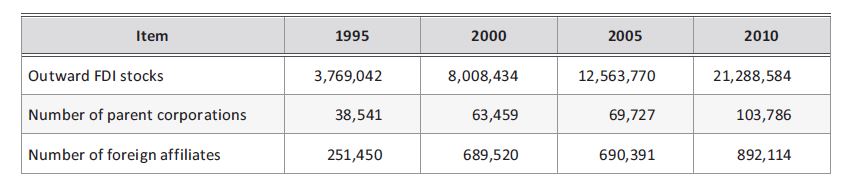
| Week 6 | Read "Foreign Direct Investment: who gains?" in the Course Documents section.Do you think attracting FDI is good for the economy of developing countries? Why or why not? Due: 02/24/2019 |
||
| Week 7 | Read Chapter 3 of the textbook An Introduction to Global Studies. In developing countries, NGOs increasingly provide community services traditionally associated with government, such as potable water, healthcare, and education. Do the increasingly roles of the NGOs decrease the responsibilities of a national government in the delivery of these services? Due: 03/03/2019 |
||
| Week 8 | Read "The Impact of Globalization on Japanese Language and Culture" in the Course Documents section. Based on the reading, would you predict a hybrid culture, which is a mixed of Western culture with any local culture, as a global culture? Why? Due: 02/24/2019 |
||
| Week 9 | December 28, 2020 | Read the textbook, chapter 4. To what extent sovereignty affects the enforcement of human rights? Due: 03/31/2019
|
|
| Week 10 | April 27, 2019 December 21, 2020 |
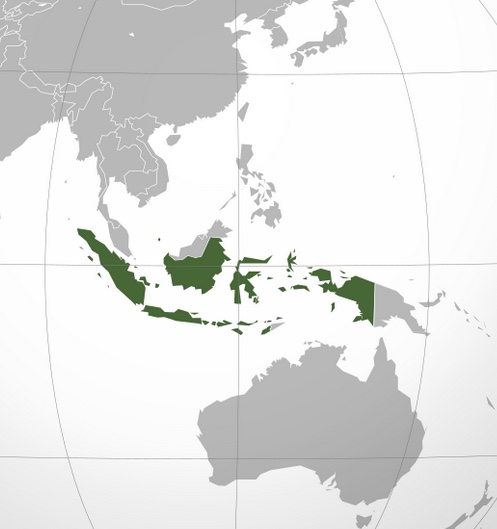
Read the article "Indonesia: Child tobacco workers suffer as firms profit" here https://www.hrw.org/news/2016/05/25/indonesia-child-tobacco-workers-suffer-firms-profit and watch the short video included in the same page. What should be the responsibilities of the Indonesian government and the non-state actors—local traders, national and multinational corporations—to protect the rights of children? Due: 04/07/2019
Indonesia is the world’s fifth-largest tobacco produce r, with more than 500,000 tobacco farms. The WHO has ranked Indonesia third in the world for total number of smokers.It is a $100 billion business--
Many children help on the farms. There are side impact with handling the tobacco leaves. Nicotine is a toxin and it impact the same way as smoking does.
Companies that buy the tobacco: Sampoerna (Phillip Morris International formerly Altira): Sampoerna is the leading tobacco company in Indonesia.
Altria explained the spin-off, arguing PMI would have more "freedom" outside the constraints of US corporate ownership in terms of potential litigation and legislative restrictions to "pursue sales growth in emerging markets."
Of Indonesian people, 63% of men and 5% of women reported being smokers, a total of 34% of the population. (April 14, 2019). There are approximately 57 million smokers in Indonesia
Indonesia is primarily a Islam country. Its population is similiar to the United States.
WTA: World Tobacco Asia
|
|
| Week 11 | |||
| Week 12 | |||
| Week 13 | |||
| Week 14 | |||
| Week 15 | |||
| Week 16 | |||